
Transform Your Physique with Science-Backed Nutrition
Discover evidence-based nutritional strategies designed specifically for men. Learn how proper protein intake, macronutrient balance, and smart supplementation can help you build lean muscle, boost energy levels, and achieve sustainable health goals.

The information on this site is for educational purposes only and does not constitute medical advice. Always consult a qualified healthcare professional before making health decisions.
Impact by the Numbers
Comprehensive nutrition articles and guides published
Science-backed recipes optimized for male fitness goals
Expert contributors and nutritional specialists
Evidence-based content with peer-reviewed sources
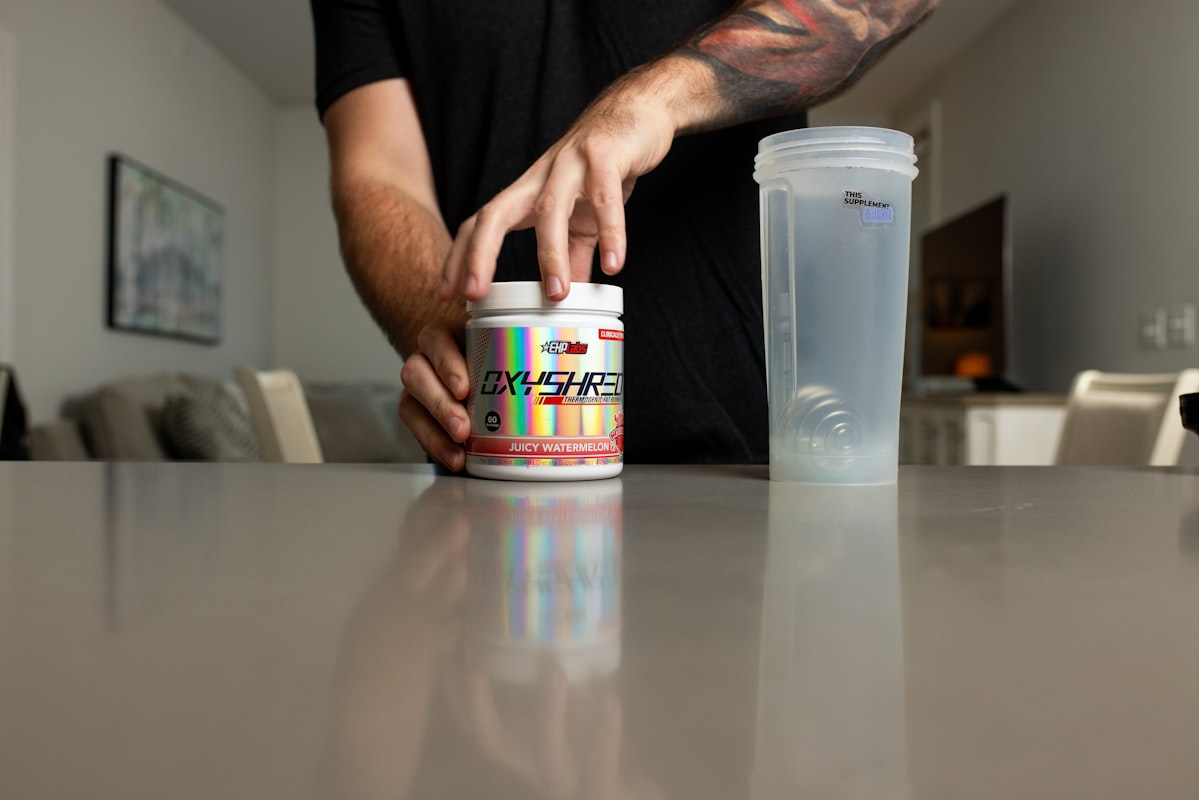
Why Protein Matters for Men's Health
Protein is far more than just a supplement—it's the foundational nutrient your body needs for muscle development, hormonal balance, and metabolic function. Men who consume adequate protein experience improved strength gains, faster recovery after training, and better overall body composition.
Whether you're an athlete looking to optimize performance or simply seeking to maintain lean muscle as you age, understanding your protein requirements and timing is essential. Our editorial team has compiled evidence-based strategies to help you make informed nutritional choices tailored to your fitness level and goals.
- Muscle Building: Adequate protein supports amino acid synthesis and muscle fiber growth
- Recovery: Protein accelerates repair of muscle tissue after resistance training
- Satiety: Protein promotes fullness, helping manage body composition effectively
- Hormone Function: Amino acids support testosterone, growth hormone, and metabolic health
Nutritional Essentials for Men
Explore our comprehensive guides on protein sources, supplement categories, and nutritional strategies designed to support your health and fitness objectives.
Complete Proteins
Learn about animal and plant-based protein sources that contain all nine essential amino acids. Our guide covers eggs, poultry, fish, legumes, and dairy products with detailed nutritional breakdowns.
Read Full ArticleSupplement Strategies
Understand the role of whey protein, casein, creatine, and other supplements in your fitness regimen. Discover timing, dosage, and evidence-based recommendations for optimal results.
Explore GuideMacronutrient Balance
Master the fundamentals of protein, carbohydrates, and fats. Learn how to calculate your personalized macro ratios based on your fitness level, activity patterns, and body composition goals.
Get DetailsCaloric Optimization
Understand your daily caloric requirements based on basal metabolic rate and activity level. Learn how to adjust intake strategically for muscle gain, fat loss, or maintenance phases.
Learn MoreMicronutrient Health
Discover essential vitamins and minerals critical for male health: zinc for testosterone support, magnesium for muscle function, and vitamin D for bone health and immune function.
Explore ContentMeal Planning
Access recipes and meal planning strategies that simplify nutrition. From quick protein-packed breakfasts to balanced dinner options, find practical approaches to consistent healthy eating.
Browse RecipesYour 4-Week Nutrition Transformation
Follow our evidence-based framework to establish sustainable nutritional habits and see measurable improvements in energy, strength, and body composition.
Assessment & Baseline
Calculate your current caloric needs, establish baseline macros, and assess your typical protein intake. Document your starting point and define clear nutritional goals.
Protein Optimization
Increase protein intake to 0.8–1.2g per pound of body weight. Distribute protein evenly across meals and learn optimal timing relative to training sessions.
Macro Fine-Tuning
Adjust carbohydrate and fat ratios based on your activity level and response. Monitor energy levels and recovery, making incremental changes as needed.
Sustainability & Results
Consolidate your new habits into a sustainable routine. Reassess metrics, identify what works best for your body, and plan your next nutritional phase.
Real Results from Real Men
Readers from across Indonesia have transformed their nutrition knowledge and achieved their fitness goals using our guides and strategies.
"I followed the macro calculation guide and increased my protein intake consistently. Within four weeks, my energy at the gym improved noticeably and my shirts fit differently. The meal planning section made it so much easier to stay on track without overthinking every meal."
Rudi Hermawan
Jakarta
"As someone who struggled with understanding complete proteins and amino acids, the articles here broke everything down clearly. I now know exactly which foods give me what I need and how to build balanced meals. The recipes are practical and actually taste good."
Budi Santoso
Bandung
"I was skeptical about supplements but the evidence-based explanations helped me understand what actually works versus marketing hype. My recovery improved once I fixed my timing and protein distribution. This site saved me money and confusion."
Eka Wijaya
Surabaya
"At 45, I thought building muscle was impossible. The articles convinced me it's about smart nutrition more than age. I adjusted my protein and carbs based on the guides, and I've actually gained muscle while losing fat. Game changer."
Fajar Gunawan
Medan
Common Questions About Protein Intake
Most research suggests 0.7–1.0 grams of protein per pound of body weight for active men aiming to build muscle. For example, a 180-pound male would target 126–180 grams daily. If you're primarily focused on general health rather than strength training, 0.5–0.7 grams per pound is often sufficient. Your exact needs depend on your training intensity, age, and specific goals.
There's no single "best" source. Animal proteins like chicken, fish, eggs, and Greek yogurt are complete proteins containing all nine essential amino acids. Plant-based options like lentils, chickpeas, and tofu require thoughtful combination but can absolutely meet your needs. For convenience and consistency, many active men use a combination of whole foods plus whey protein powder. Focus on variety and total daily protein intake rather than obsessing over one source.
While the "anabolic window" concept has been overstated in fitness culture, consuming protein around your training session is beneficial. Consuming 20–40 grams within a few hours post-workout supports recovery. However, total daily protein intake matters far more than perfect timing. If you consume adequate protein spread throughout the day, minor timing variations have minimal impact on results.
Decades of research show that high protein intake does not damage kidneys in healthy individuals. Concerns originated from misinterpretation of studies in people with existing kidney issues. If you have a personal history of kidney problems, consult a medical professional. For healthy men, even at 2+ grams per kilogram of body weight, protein intake has been shown to be safe when combined with adequate hydration.
Whey protein is fast-absorbing and ideal post-workout. Casein digests slowly and works well before bed. Plant-based options like pea and hemp are good if you're vegan, though you may need slightly higher quantities to match amino acid profiles. Choose based on your dietary preferences, digestion, and training schedule. Most active men benefit from combining sources rather than relying solely on one type.
During a caloric deficit for fat loss, maintain protein at the higher end (1.0–1.2g per pound) to preserve muscle. Carbs and fats can be adjusted based on preference and training volume. Some men thrive with higher carbs and lower fats; others prefer the opposite. The best ratio is the one you can sustain consistently while hitting your calorie target and total protein goal. Our nutrition guide includes calculators to help you find your optimal split.
Start Your Nutrition Education Today
Access our full library of science-backed articles, meal plans, and practical strategies. Take control of your nutrition and build the physique you've always wanted through informed choices and consistent effort.